


Minimalist interior design is reshaping the future of concept cars, with 70% of new models adopting this streamlined approach. By focusing on simplicity and purpose, these designs reduce distractions, enhance functionality, and create a more intuitive driving environment.
The combination of clean aesthetics and advanced technology—such as touchscreens, voice controls, and smart materials—signals a future where vehicles prioritize both efficiency and elegance.
What Is Minimalist Interior Design?
Minimalist interior design revolves around simplicity, emphasizing functionality over ornamentation. It follows the principle of “less is more,” removing unnecessary elements to create uncluttered and serene spaces.
With a focus on clean lines, neutral tones, and purposeful arrangements, this design style highlights essential features while maintaining a sophisticated appearance.
In vehicles, this philosophy is applied to streamline interiors, making sure every detail contributes to an efficient and enjoyable driving experience.
Important Features of Minimalist Design

Minimalist design transforms spaces by focusing on simplicity and functionality, creating environments that are both practical and visually appealing.
Simplicity with Purpose
Minimalist interiors remove visual and functional clutter to focus on essential elements. Every component, from seating arrangements to control panels, serves a specific purpose. This approach minimizes distractions, helping drivers maintain focus and creating a balanced environment that blends style and practicality.
Clean Lines and Geometric Forms
Minimalist designs emphasize crisp lines and symmetrical layouts, creating a sense of order and harmony. In cars, this translates into streamlined dashboards, functional seating arrangements, and organized controls. These features maximize space while maintaining a refined and modern aesthetic.
Neutral Tones with Strategic Accents
A minimalist color palette typically features neutral tones like white, gray, and black. These muted hues establish a calming backdrop, with occasional pops of color or texture used to add character without overwhelming the design. In vehicles, a vibrant dashboard accent or textured upholstery can create visual interest while adhering to the minimalist aesthetic.
Space Optimization
Minimalist interiors prioritize efficient use of space. Thoughtful layouts and hidden storage solutions make even compact areas feel open and inviting. This design philosophy is particularly effective in cars, where maximizing utility without sacrificing comfort is essential.
Why Minimalism Fits Perfectly in Concept Cars
 Concept cars often showcase futuristic design trends, and minimalism fits seamlessly into this vision. By removing superfluous features, minimalist designs highlight core functionalities, allowing drivers to interact with vehicles in a more intuitive and enjoyable way.
1. Enhancing the Driving Experience
Minimalist car interiors simplify interactions, reducing distractions and visual noise. Features like streamlined dashboards, integrated touchscreens, and voice-activated controls create a seamless experience. These elements not only improve safety but also make driving more enjoyable by fostering a calm and focused environment.
2. Branding and Consumer Appeal
Minimalism is also a branding tool. Automakers use it to convey innovation and sophistication, appealing to consumers who value efficiency and elegance. Brands like Tesla and BMW integrate minimalist principles to showcase sustainability, cutting-edge technology, and a commitment to modern design. Research supports this trend, with 80% of drivers preferring uncluttered interiors for their simplicity and ease of use.
3. Supporting Sustainability Goals
The use of lightweight and sustainable materials aligns with the growing demand for eco-friendly vehicles. Bamboo accents, recycled plastics, and organic fabrics not only reduce environmental impact but also elevate the aesthetic appeal of minimalist designs. This approach resonates with eco-conscious consumers and reinforces the automotive industry’s shift toward sustainability.
Overcoming Challenges in Minimalist Car Design

While minimalist interiors offer numerous benefits, achieving the right balance between simplicity and functionality can be challenging. Designers must ensure that removing elements does not compromise safety, usability, or comfort. For example, overly simplified dashboards might lack the tactile feedback some drivers prefer, potentially reducing accessibility.
Additionally, maintaining a luxurious feel within a minimalist framework requires innovative thinking. High-quality materials, such as premium leathers and sustainable woods, are often used to strike this balance. When executed successfully, minimalist designs can deliver a modern, functional, and aesthetically pleasing driving experience.
Benefits of Minimalist Interiors in Concept Cars
In concept cars, minimalist interiors enhance the driving experience with thoughtful design elements that prioritize comfort, efficiency, and sustainability.
- Improved Focus and Safety: By eliminating visual distractions, minimalist interiors help drivers stay focused on the road. The reduced clutter fosters a calming atmosphere, enhancing concentration and making driving safer and more enjoyable. This intentional simplicity contributes to a better overall experience, whether on a daily commute or a long journey.
- Maximized Space and Utility: Minimalist designs excel at making the most of limited space. Clever storage solutions and open layouts create a sense of spaciousness, even in compact vehicles. This focus on functionality ensures that every inch of the interior serves a purpose, enhancing both practicality and comfort.
- Enhanced Functionality with Technology: Modern minimalist interiors often integrate advanced technology to enhance usability. Touchscreens, voice controls, and adaptive displays are designed for seamless operation, making interactions straightforward and intuitive. These features cater to tech-savvy drivers who value convenience and efficiency.
- Eco-Friendly Materials and Sustainability: Sustainability plays a key role in minimalist car design. By incorporating recycled and renewable materials, automakers can reduce their environmental footprint while delivering interiors that are both stylish and durable. This focus on eco-friendly practices aligns with consumer preferences and supports broader sustainability goals.
Minimalism’s Role in Automotive Innovation
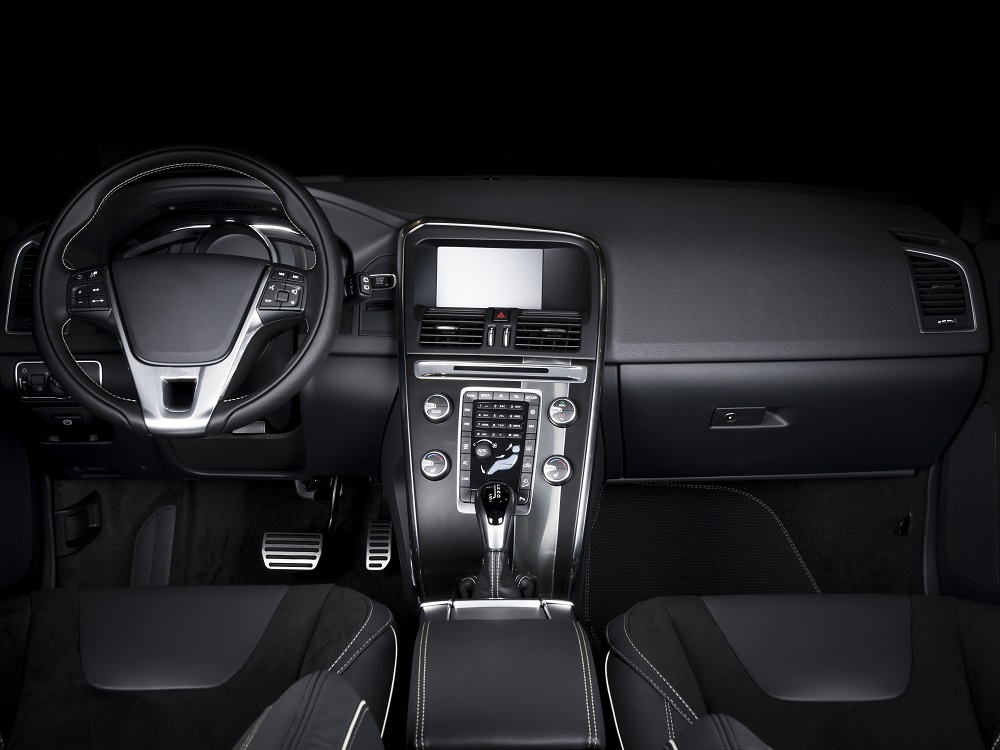 Minimalist design is more than a trend; it represents a shift in how vehicles are conceived and manufactured. By focusing on simplicity, functionality, and sustainability, minimalist interiors set a new standard for modern vehicles. From concept cars to production models, this approach is shaping the future of automotive design.
Exploring cutting-edge materials and understanding how design impacts functionality highlights the ongoing innovation in automotive interiors. Minimalism continues to define the future of driving with its focus on efficiency and elegance.
Driving into the Future with Minimalist Innovation
Minimalism isn’t just a design choice—it’s a philosophy that enhances every aspect of the driving experience. From improving safety to embracing sustainability, minimalist interiors represent the future of automotive design.
Stay informed with Gearhead Chronicle for the latest updates, trends, and innovations shaping the road ahead. Let’s explore the future of driving together!


