


Electric vehicle (EV) batteries have come a long way, evolving from basic lead-acid designs to advanced solid-state models. Early electric vehicles relied on lead-acid batteries, known for their reliability but limited by their weight and efficiency. Nickel-metal hydride batteries followed, offering improved energy storage and lighter designs.
The introduction of lithium-ion batteries revolutionized the industry with better efficiency, faster charging, and longer lifespans. Today, solid-state batteries are at the forefront, offering improved safety, faster charging, and higher energy density, setting the stage for the next era in electric transportation.
A Timeline of EV Battery Evolution
 EV batteries have undergone remarkable changes over time. In the late 19th century, lead-acid batteries powered the first electric vehicles. Although dependable, these batteries were heavy and inefficient for extended use. In the 1990s, nickel-metal hydride (NiMH) batteries became popular, especially in hybrid vehicles, due to their improved energy storage and environmental benefits.
Lithium-ion batteries marked a breakthrough in energy storage for EVs. They offer high energy density, lightweight designs, and fast charging, making them ideal for modern electric vehicles. Now, solid-state batteries promise even greater advancements in safety, efficiency, and performance, redefining what’s possible for EVs.
Lead-Acid Batteries: The Beginning of EV Power
Invented in 1859 by Gaston Planté, lead-acid batteries were the first rechargeable batteries. They were relatively simple to produce and featured lead dioxide as the positive electrode, sponge lead as the negative electrode, and sulfuric acid as the electrolyte. These batteries were widely used in early cars to start engines and power lighting systems.
Over time, lead-acid batteries were adopted for applications like uninterruptible power supplies and renewable energy storage due to their ability to handle high surge currents. However, their heavy weight and environmental concerns eventually limited their use in EVs, paving the way for newer technologies.
The Pros and Cons of EV Battery Types
Electric vehicle batteries have come a long way, with each type offering unique benefits and challenges. Understanding their strengths and limitations helps highlight how these innovations have shaped the evolution of EVs.
- Lead-Acid Batteries: These batteries are reliable and cost-effective, making them suitable for traditional vehicles. However, their heavy weight and low energy density make them impractical for modern EVs.
 Nickel-Metal Hydride (NiMH) Batteries: NiMH batteries offer better energy storage and are less harmful to the environment. They are durable and well-suited for hybrid vehicles. However, they can suffer from memory effects, which reduce their energy capacity over time.
- Lithium-Ion Batteries: These batteries have become the standard for EVs due to their high energy density, lightweight design, and ability to charge quickly. Despite their higher cost and sensitivity to temperature, lithium-ion batteries last for thousands of cycles with minimal capacity loss, making them a preferred choice for automakers.
Nickel-Metal Hydride Batteries: A Step Forward
NiMH batteries brought significant improvements to EVs. They offered better energy storage than lead-acid batteries, allowing vehicles to travel longer distances on a single charge. Their durability and ability to handle frequent recharging made them a reliable choice for manufacturers.
Early hybrid vehicles, like the Toyota Prius, benefited greatly from NiMH technology. These batteries were also more environmentally friendly, using sustainable materials that aligned with the growing focus on green technologies.
Lithium-Ion Batteries: Transforming the EV Market
Lithium-ion batteries revolutionized energy storage for EVs. They pack more energy into smaller, lighter designs, enabling modern EVs to travel over 200 miles on a single charge. This improvement has made electric vehicles more practical for everyday use.
The lightweight nature of lithium-ion batteries enhances vehicle performance by reducing overall weight, improving speed, and increasing mileage. Additionally, their fast-charging capabilities have made EVs more convenient for users, further driving adoption.
Solid-State Batteries: The Future of EVs
Solid-state batteries are poised to redefine the EV industry. Using a solid electrolyte instead of a liquid one, they offer higher energy density, longer ranges, and improved safety. Drivers can expect fewer charging stops and a reduced risk of overheating or fires.
These batteries are also more durable, requiring fewer replacements and less maintenance over time. This technology has the potential to lower long-term costs for manufacturers and consumers alike. As development continues, solid-state batteries could lead to a significant shift in the EV market.
Advancing EV Sustainability
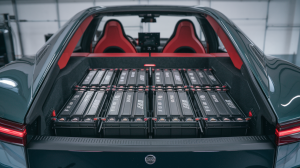 The evolution of EV batteries reflects a commitment to innovation and sustainability in transportation. From the early days of lead-acid batteries to the advancements of solid-state technology, each development has improved efficiency, safety, and environmental impact.
As solid-state batteries become more widely adopted, they promise to make EVs even more practical and accessible. This progress highlights the industry’s dedication to cleaner energy solutions, shaping a future where electric vehicles dominate the roads.
Join the Journey with Gearhead Chronicle
Electric vehicle batteries have come a long way, and the journey continues. From lead-acid to lithium-ion and now solid-state, these advancements are transforming transportation.
Gearhead Chronicle is your trusted source for insights and updates on this exciting journey toward a greener future. Stay informed and be part of the change!
